INGREDIENT SPOTLIGHT
Catuaba Bark: Brazil's Traditional Confidence Botanical, Explained
Catuaba is one of the less-explained ingredients on most male vitality labels — mentioned constantly, rarely described in any real detail. Here's what it actually is.
What Catuaba Bark Is
Catuaba refers to bark from several tree species native to the Brazilian Amazon, most commonly Trichilia catigua. It has a long history in traditional Brazilian herbal medicine, where it's been used for generations as a general tonic associated with mood, confidence, and male wellness.
The Traditional Use Case
In Brazilian folk medicine, Catuaba bark is typically prepared as a tea or tincture and used broadly for vitality and nervous system support, often alongside Muira Puama — the two are frequently paired in traditional formulas, which is part of why they're commonly paired in modern supplement blends too.
What the Modern Research Actually Shows
Here's the honest part: clinical research on Catuaba specifically, in humans, for male performance outcomes, is thin. Most of what exists is preliminary or animal-model research rather than the kind of placebo-controlled human trials available for ingredients like L-Arginine or Ashwagandha. That doesn't mean it does nothing — traditional-use botanicals often precede formal research by decades or centuries — but it does mean the evidence tier here is "traditional use," not "clinically proven."
Why It's Still in the Formula
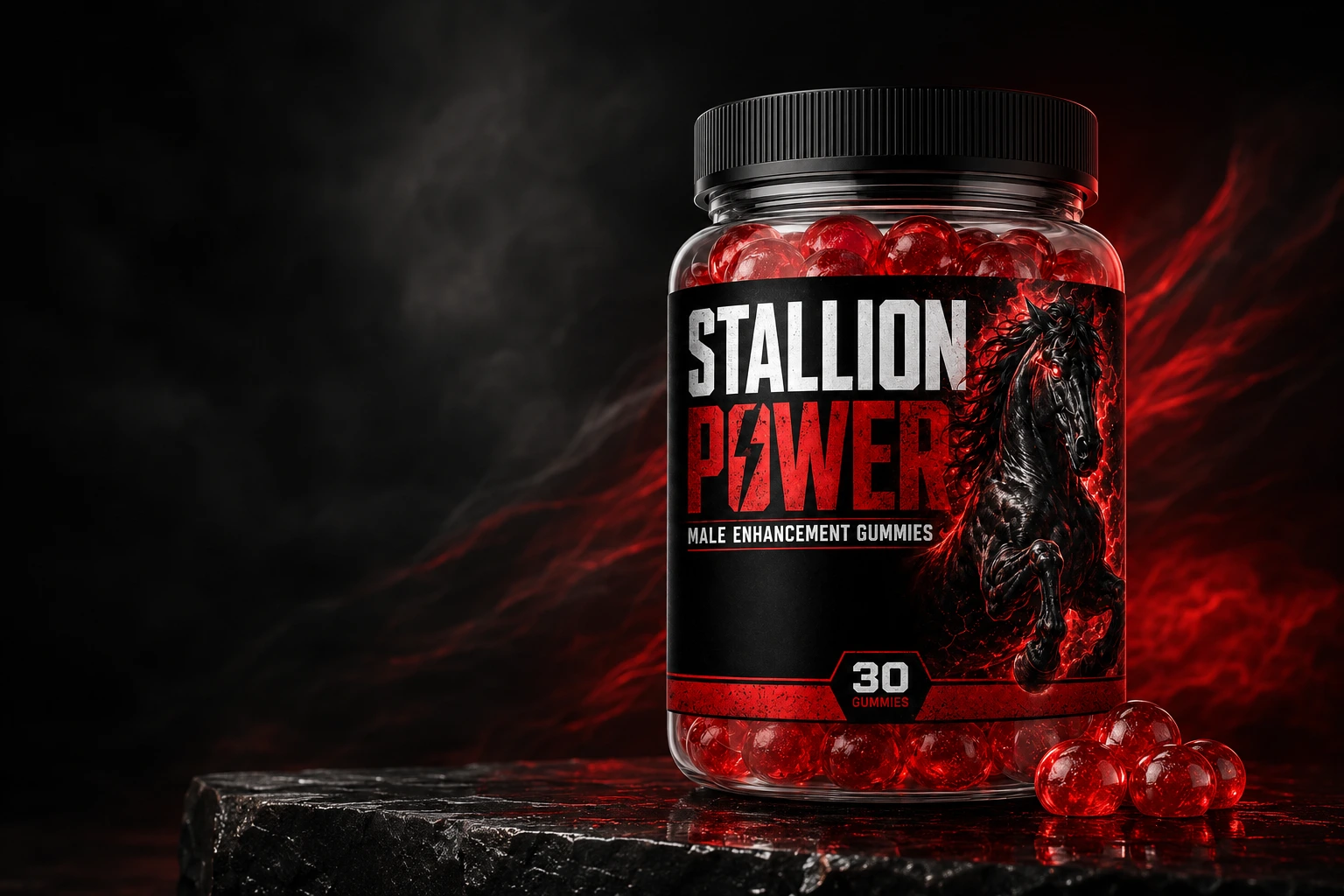
Catuaba is included as part of the drive-and-confidence support group alongside Muira Puama, Maca, and Tribulus Terrestris — botanicals with centuries of traditional use for this exact purpose. It's one piece of a nine-ingredient formula, not positioned as a standalone solution.
The Bottom Line
Catuaba benefits for men rest primarily on a long traditional-use history rather than modern clinical trials. We think it's worth including as part of a broader formula — we just don't think it's honest to claim more certainty about it than the research actually supports.